Pain is a terrible thing for our pets to experience. It is something that is unfortunately overlooked and undermanaged all too often because our pets can not talk to us and tell us where it hurts.
Even with the best of intentions, we may miss the subtle signs that tell us that an animal is in pain. In the human medical profession pain management is so important it is now considered a “vital sign” along a pulse or temperature!

Tailored Pain Management Plan
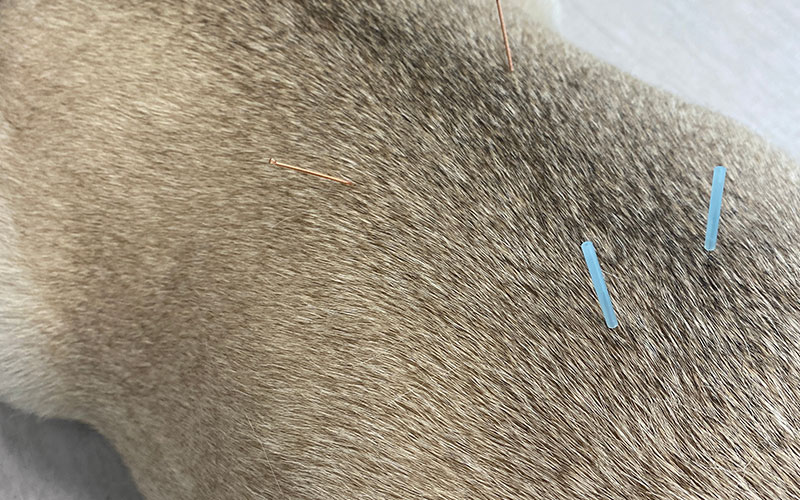
When our pets are in pain, it’s an awful feeling, not knowing how to help them. It is our goal to eliminate as much pain as possible and to give these pets a better quality of life. We will work with you to develop a pain management plan tailored to your pet’s unique needs. Some pain management strategies our veterinarians may recommend as part of a care plan for your pet are: lifestyle changes, nutritional or weight management, home environment modification, NSAID’s or other medications, and supplements. Along with alternative modalities such as acupuncture, massage, chiropractic adjustments, or low-frequency laser therapy to reduce inflammation. In addition, our compassionate veterinary staff will work with pet owners to educate them on how to recognize signs of pain in their pet to ensure their comfort and well-being are being addressed.
Tailored Pain Management Plan
When our pets are in pain, it’s an awful feeling, not knowing how to help them. It is our goal to eliminate as much pain as possible and to give these pets a better quality of life. We will work with you to develop a pain management plan tailored to your pet’s unique needs. Some pain management strategies our veterinarians may recommend as part of a care plan for your pet are: lifestyle changes, nutritional or weight management, home environment modification, NSAID’s or other medications, and supplements. Along with alternative modalities such as acupuncture, massage, chiropractic adjustments, or low-frequency laser therapy to reduce inflammation. In addition, our compassionate veterinary staff will work with pet owners to educate them on how to recognize signs of pain in their pet to ensure their comfort and well-being are being addressed.
Common Pet Signs Of Pain
- Difficulty in rising or moving slower or less often
- Changes in behavior, more aggressive or affectionate
- Sleeping more, hiding or withdrawing
- Changes in posture (arched head, neck or back)
- Limping or not laying or jumping up in usual spots
- Less energy or tolerance for exercise
- Restlessness or panting more
- Grooming less
- Eating less or slower
- Difficulty or changes in urinating or defecating, including accidents
- Muscle tremors or shaking
- Licking or chewing at a painful area
- One of the last symptoms pets will exhibit is crying or vocalizing
There are many great websites with information regarding evaluation or pain. Click here to help better illustrate or help be a pain advocate for your pet.
Lastly, pain can be a major reason for electing euthanasia. If there is any evidence that your pet has any level of pain, please call and set up a visit so we can have a detailed conversation about the options that will work best for your pet’s individual situation.


Alternative Modalities
We are happy to offer some alternative modalities for treating your pet as part of the complete health care spectrum. Thanks to Dr. Rachel Walsh, who is a veterinarian who has been with us part time for a couple year, we are able to provide chiropractic care and acupuncture to both dogs and cats.